
How to Wash a Dog Bed & Remove Odours
That faint, musty dog smell is one every owner knows. It sits in the vacuum, in the sofa, in the rug by the door, and cleaning around it never seems to shift it for long. You open every window in the house and it is back by the evening, usually stronger in the room where your dog sleeps.
Almost always, the dog bed is the source. It absorbs more than anything else your dog touches, and it is one of the more frustrating cleaning jobs in the house because the effort rarely matches the result. Washing the cover matters and it is the part everyone does, but the filling underneath is where sweat, drool, dander and oils collect, and cleaning the outer layer never resolves what has soaked into the core.
This guide covers the whole job, including how to wash a dog bed properly, the best way to clean the filling, and how to shift stains and odours that have already set in. Every method is weighed against the effort it takes, the mess it makes and how long the result holds.
Before You Wash: What to Check First
Two minutes here saves the most common problem with this job, which is ending up with a wet bed you cannot dry and a washing machine full of hair.
Check the care label. It will be stitched into the cover seam. It tells you the maximum wash temperature and whether the cover can be tumble dried, both of which matter because a shrunken cover will not stretch back over the filling.
Check whether the cover comes off. A zip or velcro closure makes this a straightforward job. A sealed, one-piece bed does not, and it changes your options considerably, because washing a sealed bed means soaking the filling whether you intended to or not.
Identify the filling. This decides how much work the second half of the job takes:
-
Solid foam slab – cannot go in a machine, hand clean only, longest drying time
-
Shredded foam or polyester fibre – usually machine washable if the drum is big enough
-
Bean or bead fill – spot clean only in almost all cases
What you will need:
-
Vacuum with an upholstery attachment
-
Rubber glove or lint roller
-
Unscented, pet-safe laundry detergent
-
Distilled white vinegar
-
Baking soda
-
Enzyme-based cleaner
-
A fan
Skip anything heavily perfumed. Dogs have a far sharper sense of smell than we do, and a bed that reeks of detergent is often a bed they stop using.
How to Wash a Dog Bed Cover
Remove the fur before anything else. This is the step that decides whether the rest of the job is easy or a mess. Run a damp rubber glove over the cover in one direction to gather the hair into clumps, lift it off, then vacuum. Fur that goes into the machine does not come out in the wash. It clogs the filter, coats the drum, transfers onto the next load, and leaves you cleaning the machine as well as the bed. Five minutes with a glove avoids all of it.
Treat stains before the cycle, not after. Once a cover has been through a warm wash, whatever is still in the fabric tends to be there permanently. Spot treat marks first using the methods further down.
Wash the cover on the warmest setting the label allows. Warm water lifts the oils and dander that cold water leaves behind, and it handles the bacteria that build up in the dog bed. Just make sure not to go hotter than what the care label says, as that is what causes shrinking.
Add half a cup of white vinegar to the rinse. It neutralises odour rather than covering it, and rinses out completely without leaving a smell of its own.
Skip fabric softener. It coats the fibres, reduces breathability and leaves a residue that holds odour instead of releasing it. On covers with a non-slip or water-resistant backing it also breaks the coating down over time.
If the cover does not come off, fill a bath with warm water and detergent, submerge the bed and press repeatedly to work the solution through rather than scrubbing the surface. Rinse until the water runs clear, then press out as much water as you can. Be realistic before you start, because a soaked one-piece bed needs somewhere warm and ventilated to sit for two days.
Dry the cover fully before it goes back on. Air drying is safest and avoids shrinkage. If you tumble dry, use low heat only. Refitting the cover while it is very slightly damp makes it easier to stretch back over the filling, but the filling itself must be bone dry first.
Run a rinse cycle on the empty machine afterwards. Hot water, no detergent. It clears the hair that made it past the pre-clean and takes two minutes.

How to Wash the Dog Bed Filling (The Step Most People Skip)
This is where the odour lives. Foam and fibre absorb moisture from drool, damp paws, sweat and the natural oils in a dog's coat, and it builds in the core over months. Washing the cover does nothing for it.
Before you start, understand the trade-off. A full wet clean of the filling gives the deepest result but costs you 24 to 48 hours of drying time and a bed your dog cannot use. A dry treatment takes ten minutes of actual work and handles most everyday odour. Choose based on how bad it is, not what's easiest.
For everyday odour, use the dry method. Take the filling out, vacuum the surface, then cover it in an even layer of baking soda and leave it for several hours or overnight. Vacuum it off thoroughly. This draws moisture and odour out without wetting the foam, which means no drying time and no risk of getting it wrong. Repeated monthly, it prevents the build-up that makes a wet clean necessary in the first place.
For shredded foam or polyester fibre, check the label first. If machine washing is allowed, use a large drum on a gentle cycle with warm water and a small amount of detergent, and add a couple of rolled-up towels to stop the filling clumping. Redistribute it by hand while damp so it dries evenly rather than setting in lumps.
For a solid foam slab, take it outside. Apply a small amount of mild detergent directly to the surface and work it in by hand. Use a hose to spray through the foam, pressing gently so the water moves through the core rather than running off the top. Rinse until the water coming through is clear, then press out as much as possible without twisting or wringing, which tears the cell structure.
Drying is the part that goes wrong, and it applies to any wet filling. Nothing goes in a tumble dryer, as heat breaks foam down and mats fibre fill permanently. Stand foam upright in a well-ventilated space or lay fiber fill flat and reshape it by hand, then allow 24 to 48 hours with a fan running nearby. The filling must feel dry all the way through, because a cover put back over a damp core is the most common reason a freshly washed bed smells worse than before.
Common Dog Bed Stains and How to Remove Them
The wash cycle will lift everyday grime on its own, but it sets anything protein or pigment based permanently. That means the stains below need dealing with while the cover is still dry, not after you have seen whether the wash handled them.
Ten minutes of spot treatment now saves you an hour of rewashing later, and it is the difference between a cover that comes out clean in one cycle and one that carries a lasting stain.
Urine
Blot up as much as possible, then apply an enzyme-based cleaner and saturate the area fully, including the filling if it has soaked through. Enzyme cleaners are the only product that breaks uric acid crystals down at a molecular level. Vinegar and detergent mask the smell temporarily but leave the compounds that bring it back in humid weather.
Drool marks and yellowing
Sponge the area with one part white vinegar to two parts warm water and blot dry. For set-in yellowing on light fabric, make a paste of baking soda and water, leave it on the mark for 30 minutes, then brush it off before washing.
Mud and outdoor dirt
Let it dry completely first. Brushing or washing wet mud pushes it into the weave and spreads the stain across a wider area. Once dry, break it up, vacuum it away, then treat whatever remains with a mild detergent solution.
Vomit and food
Lift any solids away without pressing down or spreading them. Apply an enzyme cleaner to break down the acids and bacteria, follow with white vinegar to deodorise, then apply baking soda and let it dry fully before vacuuming.
The Fastest Way to Remove Dog Bed Odour Without Washing
When the smell needs sorting today and there's no time for an overnight treatment, this version works faster and doesn't require pulling the filling out.
Vacuum the bed thoroughly, cover it in a generous layer of baking soda and leave it for at least an hour. Two to three is better. Vacuum it off completely. Ten minutes of work, no drying time, and it can be repeated weekly with no wear on the fabric.
For anything sharper, mist the surface with equal parts white vinegar and water and let it air dry, ideally outside. The vinegar smell goes as it dries and takes the odour with it. Direct sunlight adds a natural deodorising effect on top, which is why a few hours airing outdoors outperforms most products sold for the job.
What does not work is fragrance. Scented sprays and perfumed detergents sit on top of the smell rather than removing it, and the combination usually ends up worse than what you started with.

How Often Should You Wash a Dog Bed?
The routine that works is frequent light maintenance rather than an occasional deep clean:
-
Weekly – vacuum the bed and remove loose fur
-
Every one to two weeks – wash the cover
-
Monthly – dry baking soda treatment on the filling
-
Every three to four months – wet clean the filling, if the dry treatment is no longer holding
Increase it for heavy shedders, dogs that spend a lot of time outdoors, senior or incontinent dogs, and households where allergies are a factor. You can stretch it out for small indoor dogs with short coats.
The advantage of this pattern is not just a cleaner bed, it is a smaller job every time. A dog cover washed fortnightly never gets to the point where odour has soaked into the filling, which means the two-day drying job comes around far less often.
When to Replace a Dog Bed Instead of Washing It
Some beds are past the point where cleaning changes anything. Once odour has permanently penetrated the core or the foam has broken down, no method above will bring it back, and the effort is better spent on a replacement.
-
The foam has flattened and no longer springs back, so it is no longer supporting your dog's joints
-
Odour returns within days of a full clean, which means it has penetrated the core
-
There is visible mould in the filling from a previous incomplete dry
-
The cover is torn with filling exposed, which is a choking hazard
-
Staining that has not responded to enzyme treatment
Foam dog beds generally last two to four years of regular use before the support goes, however well they have been maintained. Regular cleaning will not extend that, but it does keep the bed comfortable and odour-free for the whole time you have it.

Canine Non-Slip Bolster Pet Quilted Bed
Their Favourite Spot—Now Cleaner and Cuter Give your furry friend a space of their own without compromising your furniture. This quilted pet bed is...

SnuggleNest Pet Mat
The Snooze Spot for Your Furry Companion The SnuggleNest Pet Mat is designed to provide ultimate comfort and protection for your furry companion...

Snuggle Floral Checkerboard Pet Bed
Give Your Pet Plush Support with a Stylish Touch Give your pet the ultimate relaxation with the Snuggle Floral Checkerboard Pet Bed. Designed with ...
Final Thoughts
Washing a dog bed comes down to two things: doing the cover often enough that it never gets bad, and not forgetting the filling when it does. Most of the frustration with this job comes from doing the wet clean when a dry treatment would have handled it, or doing the dry treatment when the core needed a proper wash.
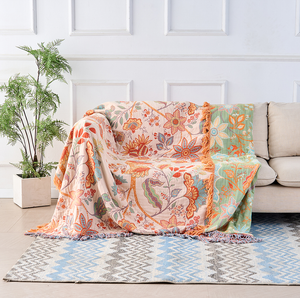
It is also worth remembering the bed is rarely the only thing holding onto that smell. Sofas absorb fur, oils and odour the same way, with the added problem that upholstery cannot be unzipped and hosed down. A removable, machine washable sofa cover from Casa and Beyond absorbs that daily wear instead of the sofa itself, and can go through the wash easily alongside the dog bed cover, which keeps the whole room fresher without adding another job to the list.


