

Cotton vs. Fleece Blanket: Which One Should You Choose?
The main difference between a cotton and a fleece blanket is how they feel and regulate temperature. Cotton blankets are breathable, lightweight, and comfortable throughout the year. Fleece blankets are known for their soft, plush texture and ability to retain warmth, which is why they are a popular choice for colder weather.
Choosing the right blanket depends on how warm you like to feel, the climate you live in, and how you plan to use it. In this guide, we'll compare cotton vs. fleece blankets, including their pros, cons, and key differences, to help you decide which option is right for your home.
Cotton vs. Fleece Blanket: What’s the Difference?
The most noticeable difference is breathability and warmth. Cotton allows air to circulate more freely, helping you stay comfortable without trapping excess heat. Fleece retains warmth and creates a cosy layer that feels noticeably warmer against the skin.
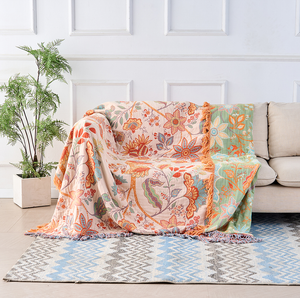
This means a cotton blanket generally feels crisp and airy, which is perfect for layering or summer nights. You can see this in designs like Casa & Beyond’s Rustic Artistic Flora Blanket, which provides that lightweight, breathable feel while adding a touch of style to the room.
The soft, plush texture of fleece blankets creates an immediate sense of warmth and comfort, which is why they are a popular choice for colder weather, relaxing on the sofa, or adding an extra layer during winter.
The texture of the two materials also feels quite different. Cotton has a naturally soft feel that tends to become even softer with regular use and washing. Fleece is typically fluffier and cosier. It's also easy to care for and resistant to wrinkles. Cotton, being a natural fibre, has a more organic feel that actually improves and softens the more you use and wash it, though it does appreciate a bit more attention during laundry day.

Pros and Cons of Cotton Blankets
Cotton blankets are a popular choice for everyday comfort, especially if you prefer something light and breathable.
Pros of Cotton Blankets
-
Naturally breathable and help prevent overheating: The natural fibres allow air to circulate freely, making them the best choice for hot sleepers or warm nights.
-
Soft, comfortable, and gentle on skin: Being hypoallergenic and free from harsh chemicals, 100% cotton is ideal for people with sensitive skin or allergies.
-
Easy to care for and durable: These blankets are built to last and tend to get softer and more comfortable with every wash.
-
Versatile in style and use: Whether used as a standalone blanket in summer or a decorative throw in winter, their classic look fits any interior style. For a touch of visual interest, blankets with added textures, such as the Rustic Floral Boho Blanket, can serve as both a comfortable layer and a beautiful bedroom accent.
Cons of Cotton Blankets
-
Not as warm as fleece blankets: Because cotton is designed for breathability, it doesn't retain heat as effectively as fleece, especially during colder months.
-
May shrink if not washed and dried properly: As a natural fibre, cotton can react to high heat, so following the correct care instructions is essential to keep its shape.
-
Can wrinkle more easily than fleece: Unlike fleece, cotton has a more organic structure that can show creases after washing or use.

Pros and Cons of Fleece Blankets
Fleece blankets are valued for their warmth, plush feel, and ease of care.
Pros of Fleece Blankets
-
Excellent at retaining warmth without feeling heavy: Fleece traps heat efficiently while remaining relatively lightweight, making it a comfortable option for colder weather. If you're looking for a winter blanket that feels warm and cosy without being overly heavy, fleece is often a popular choice.
-
Soft and cosy texture with an instant snuggle feel: The plush texture creates an immediate sense of warmth and comfort.
-
Easy to care for and quick to dry: Fleece blankets are typically machine washable, wrinkle-resistant, and dry faster than many natural fabrics.
-
Affordable and widely available: Fleece blankets are widely available and are often more affordable than blankets made from natural materials.
Cons of Fleece Blankets
-
Less breathable than cotton: Because fleece retains warmth, it may feel too warm for hot sleepers or during summer.
-
Can build static over time: Fleece is more prone to static, especially in dry conditions, which can make the blanket cling or feel slightly uncomfortable.
-
Can feel less natural on the skin: Soft, synthetic fibres like fleece don’t offer the same breathable, airy feel as natural materials like cotton, which some people may find less comfortable over long periods.
How to Care for Cotton vs. Fleece Blankets
Taking proper care of your blanket helps it stay soft, clean, and comfortable for longer. Cotton and fleece need slightly different care, mainly due to how their fibres react to heat and washing.
It’s generally recommended to wash cotton blankets with similar colours using a gentle cycle, as this helps protect the natural fibres and prevent unnecessary wear. Avoid high heat when washing and drying because cotton can shrink when exposed to high temperatures. It’s best to let it air dry after washing, but using a low heat setting for a tumble dryer is also generally safe. Use mild detergent and avoid chemicals to keep the fabric soft and natural. Expect some wrinkling after washing – this is normal for cotton and part of its organic look.
Fleece blankets are generally easy to care for and can usually be machine washed using cool or warm water on a standard cycle. Fleece is durable and can handle regular washing without much risk of damage. Avoid high heat when drying, as excessive temperatures can damage the fibres and affect the blanket's softness. Air drying is often the safest option, although a low tumble-dry setting is usually suitable for most fleece blankets. It's also a good idea to avoid using too much fabric softener, as residue can build up over time and affect the plush feel of the fabric.
Always check the care label on your specific blanket before washing. Even within the same material category, different weaves and fibre blends may have specific temperature or drying requirements that are essential for keeping your blanket in top shape.

Rustic Floral Boho Blanket | 100% Cotton Floral Blanket
Bring Home Your Slice Of Boho Bliss Transform your space with this exquisite cotton throw blanket. Adorned with a lush tapestry of orange and bl...

Plush Leaf Cosy Embossed Fleece Throw Blanket
Bring Warmth And Comfort To Your Space Add a soft and cosy touch to your bedroom or lounge with this embossed fleece throw blanket. Featuring an el...

Rustic Artistic Flora Blanket | 100% Cotton Floral Blanket
Art You Can Snuggle: Your personal signature on comfort The Rustic Artistic Flora Blanket is a versatile, all-season cotton throw that blends be...
Which Blanket Should You Choose?
Deciding between a cotton vs. fleece blanket ultimately depends on your personal comfort. Here is a quick guide to help you make the final choice:
Choose Cotton If You:
-
Prefer breathable, natural fabrics that feel light and comfortable.
-
Tend to get hot or live in a warmer climate.
-
Want a blanket you can use year-round.
-
Like an airy feel that improves and gets softer over time.
-
Have sensitive skin or prefer hypoallergenic materials.
-
Want a long-lasting, natural layer that becomes even better with age.
Choose Fleece If You:
-
Want extra warmth, especially during colder months.
-
Prefer a soft, plush texture that feels cosy from the first use.
-
Enjoy curling up with a blanket while reading, watching TV, or relaxing on the sofa.
-
Need something easy to wash and quick to dry.
-
Want a lightweight blanket that still provides plenty of warmth.
You don’t have to choose just one. Many people layer both materials, using a cotton blanket as a breathable base and adding a fleece layer on top for extra warmth when temperature drops.
Final Thoughts: Choosing Between Cotton and Fleece Blankets
There’s no single “better” option when it comes to cotton vs. fleece blankets, as it all depends on your comfort preferences, the climate you live in, and how you like to use your blanket. Cotton stands out for its breathability, natural softness, and year-round versatility. Fleece is known for its plush texture and warmth, making it a popular choice for colder weather and cosy evenings at home.
If you’re looking for a lightweight blanket that stays comfortable across different seasons, cotton is often the go-to choice. However, if softness and warmth are your top priorities, fleece may be the better fit. Both materials have their strengths, and many households keep both on hand to stay comfortable throughout the year.


